
Build a Fun and Educational Composter for Kids


Nature Topic Overview
Composting is a simple yet effective way to reduce waste and enrich soil. This process involves breaking down organic materials, such as food scraps and yard waste, into nutrient-rich compost. Engaging children in composting can instill valuable lessons about nature and sustainability. By learning to make their own composter, kids can witness firsthand how waste can be transformed into something beneficial for the environment. Not only does composting help in recycling waste, but it also improves soil health, promoting healthier plants and gardens.
Fun Facts and Trivia
- Did you know that worm composting, or vermicomposting, can speed up the compost process? Worms break down material quickly, turning it into rich compost.
- Each year, about 30% of what we throw away is food waste. Composting helps reduce this waste significantly!
- Composting can reduce the amount of methane released into the atmosphere, a gas that contributes to climate change.
Visual aids, such as charts showing how compost supports plant growth or images of composting worms, can enhance the learning experience. These visuals can captivate young minds and help them to understand complex processes.
Wildlife Explorations
Composting not only supports plant life but also encourages biodiversity. Different species, like beneficial insects and birds, interact with compost heaps. Some interesting species to learn about include:
- Ladybugs: These beneficial insects feed on pests that harm gardens.
- Earthworms: Essential for aerating the soil and speeding up decomposition.
- Beetles: They help break down organic material, contributing to soil health.
Quiz Idea: Identify which animal helps in a compost process. Kids can match pictures of these creatures with their roles in composting.
Environmental Awareness
Environmental conservation is crucial in today's world. Composting is an easy way children can contribute to sustainability. They learn about:
- Reducing waste: Composting keeps food scraps out of landfills. This leads to minimal waste and less pollution.
- Improving soil: Compost enriches soil, allowing plants to grow better. It promotes healthier gardens and ecosystems.
Tips for kids:
- Always recycle food scraps instead of throwing them away.
- Encourage friends and family to compost.
DIY Nature Activities
Getting hands-on with nature empowers children. Here are activities for them:
- Build a simple composter using a plastic bin at home. This bin can hold vegetable scraps, yard waste, and more.
- Create a nature journal to track what they put into the composter and how it changes over time.
Step-by-Step Guide to Building a Simple Composter:
- Gather materials: A plastic bin, soil, and organic waste.
- Cut holes: Provide aeration by cutting small holes in the bin.
- Layer materials: Mix dry leaves, fruit scraps, and soil for balanced compost.
- Turn the pile: Regularly mix the contents for aeration and faster decomposition.
Outdoor explorations can also complement this activity. Kids can look for different types of plants and soil to understand the connection between composting and gardening better.
"Composting is a great way for kids to learn about responsibility and how small actions make a big difference in our world."
Engaging in these activities fosters a love for nature, teaching children about the cycle of life in an enjoyable way.
Intro to Composting
Composting is an essential practice that teaches both kids and adults about the process of recycling organic materials. It involves the breakdown of food scraps and yard debris, transforming these materials into nutrient-rich soil. This section will delve into what composting is and why it is significant for the environment, especially for young learners.
Understanding Composting
Composting is the natural process of decomposition. When organic materials, such as food waste, leaves, and grass clippings, break down, they undergo a transformation aided by microorganisms, worms, and other organisms. This process creates compost. In simple terms, compost is a dark, crumbly substance that is excellent for gardens and plant growth. For kids, understanding what composting involves fosters a sense of responsibility towards waste management. It also allows them to see firsthand how nature recycles nutrients.
Key elements of composting include:
- Green Materials: These are rich in nitrogen and include fruit and vegetable scraps, coffee grounds, and grass clippings.
- Brown Materials: These are high in carbon and include dried leaves, cardboard, and newspaper.
- Air: To allow the microorganisms to thrive, adequate airflow is essential.
- Moisture: Compost needs to be damp but not soggy. This balance keeps the decomposition process moving forward.
Involving children in composting at home can spark their curiosity about where their food comes from and how it can return to the earth.
Importance of Composting
Composting plays several vital roles in promoting sustainability and environmental health. Firstly, it significantly reduces waste sent to landfills. When compostable materials are thrown away, they create methane gas, a potent greenhouse gas. By composting, families can lower their carbon footprint.
Secondly, compost enriches the soil. This benefits gardens and plants by improving soil structure and increasing its ability to retain moisture. Nutrient-rich compost enhances plant growth and health, making it a key component of organic gardening practices.
Lastly, composting cultivates awareness about environmental stewardship. Teaching kids about composting helps instill values of sustainability early on. They learn that their actions, such as food waste disposal, have consequences on both the planet and local ecosystems. Overall, composting is a simple and effective way to teach young minds the importance of caring for the environment.
Benefits of Homemade Composting
Composting at home offers several benefits, both environmentally and economically. For kids, engaging in this process can be a fun and educational experience. It allows them to see the results of their actions and understand the natural world better. In this section, we will explore three main aspects of homemade composting that highlight its significance in our lives.
Environmental Impact
The environmental benefits of composting are profound. By using kitchen scraps and yard waste in a homemade composter, families can significantly reduce the amount of trash sent to landfills. According to research, composting can divert up to 30% of household waste. This action lessens the burden on the waste management system, which is especially crucial in today’s world where waste is a big problem.
Composting also helps in reducing greenhouse gas emissions. When waste decomposes in a landfill, it generates methane, a gas that contributes to climate change. By composting organic materials, families promote aerobic decomposition, which produces much less methane. This, in turn, improves air quality and leads to a healthier planet.
Soil Health Enhancement
Creating homemade compost enriches the soil. It introduces a variety of nutrients essential for plant growth. The process breaks down organic matter, which increases the soil's ability to hold water, an essential factor for all living plants. When children participate in adding compost to their garden, they observe how plants thrive due to better soil health.
Moreover, compost promotes a healthy ecosystem in the soil. It provides food for beneficial microbes and earthworms, which help in breaking down organic matter. This enhances aeration and increases nutrient availability, making the soil more productive. Teaching kids about these interactions can inspire them to appreciate the importance of a healthy environment.
Cost-Effective Waste Management
One of the most immediate benefits of homemade composting is its contribution to cost-effective waste management. Families can save money by reducing the frequency of garbage collection. Many waste disposal services charge according to the weight or volume of the waste, so decreasing household waste can lead to financial savings.
Additionally, compost can replace store-bought fertilizers, which can be expensive. By making their own nutrient-rich compost, families provide plants with the necessary nutrients without spending money on chemical fertilizers. This not only helps families save money but also promotes organic gardening practices.
Composting for kids offers a practical approach to understanding money-saving strategies while being environmentally responsible. Encouraging children to participate in this activity can instill lifelong habits of efficiency, sustainability, and budget consciousness.
"Composting is not just an eco-friendly practice; it’s an education for life."
In summary, the benefits of homemade composting extend beyond just waste reduction. It provides significant environmental advantages, enhances soil health, and fosters significant savings for families. Engaging children in composting not only benefits the planet but also teaches them vital life lessons about sustainability and responsibility.
Types of Composters
Understanding the different types of composters is crucial in building a homemade composter that is both functional and engaging for kids. Each type of composter offers unique benefits and appealing characteristics that can enhance the learning experience. By exploring these options, families can choose a composter that fits their needs and encourages kids to participate actively in the composting process.
Bin Composters
Bin composters are one of the most common types of composting systems. They are typically made from durable materials like plastic or wood. These bins can be stationary and are often designed to hold a large amount of organic waste. Children can easily observe the composting process because the bin's sides allow for some visibility.
- Benefits:
- Considerations:
- Easy to build or purchase; they often come in various sizes.
- They provide a contained space for compost materials, reducing odors.
- They can support a large volume of waste, making them suitable for families.
- It may take longer for composting to occur compared to other types, like tumblers.
- Regular turning of materials is needed for aeration, which involved more effort from kids and parents.
Tumbler Composters
Tumbler composters present a different approach to composting. They are usually cylindrical and mounted on a frame, allowing users to rotate them easily. This motion helps mix the ingredients, speeding up the composting process. For kids, turning the tumbler can be a fun activity, engaging their physical activity in making compost.
- Benefits:
- Considerations:
- Faster composting process due to regular aeration by tumbling.
- Very little maintenance required; kids can easily operate them.
- Provides an exciting way to see the degradation process firsthand.
- They can be more expensive than bin composters.
- They hold less material than a standard bin, thus may require more frequent use.
Worm Composters
Worm composters, or vermicomposting systems, utilize worms to break down organic waste. This method can be particularly interesting for kids as they observe live creatures playing a critical role in waste decomposition. The worms consume the organic matter, producing nutrient-rich compost called worm castings.
- Benefits:
- Considerations:
- Requires very little space, making it perfect for apartments or backyards.
- Low odor levels, which is beneficial for indoor setups.
- Produces high-quality compost that is great for plants and gardens.
- Requires more careful management of moisture and food supply for the worms.
- Not all organic materials are suitable for worm composters; educating children on this can be part of the learning experience.
Key Takeaway: Choosing the right type of composter can significantly enhance the educational journey for kids. Each type has its advantages and challenges, making it essential to select one that aligns with family needs and encourages active participation in composting.
Materials Needed for Composting
Understanding the materials required for composting is crucial. This section discusses the specifics of what you will need to start a homemade composter. Each type of material plays a significant role in the composting process. Knowing the right balance can lead to successful compost that enhances soil quality and supports plant growth.
Organic Waste Types
Organic waste consists of materials that come from living organisms. This category includes kitchen scraps and yard waste. The most common examples are:
- Fruit and vegetable scraps: These are excellent for composting because they decompose quickly.
- Coffee grounds: They add nitrogen and improve compost structure.
- Eggshells: They provide calcium, essential for plant growth.
- Grass clippings: Offer nitrogen but should be balanced with carbon-rich materials.
- Leaves and twigs: They are great for adding carbon.
Using a variety of organic wastes can help create a balanced compost. However, avoid adding meat, dairy, or oils. These items can create odors and attract pests, which can lead to complications.

Carbon vs. Nitrogen Materials
In composting, the right balance of carbon and nitrogen is vital. Carbon-rich materials are often referred to as "browns," while nitrogen-rich materials are called "greens."
- Carbon Materials (Browns): These include dried leaves, cardboard, shredded paper, and straw. They provide energy for microbes.
- Nitrogen Materials (Greens): Fresh grass clippings, vegetable scraps, and coffee grounds fall into this category. They are essential for the growth of microorganisms that break down organic matter.
A generally accepted ratio is 30 parts carbon to 1 part nitrogen. However, for beginners, a simple method is to ensure that the compost pile has more browns than greens. This balance prevents odors and encourages efficient decomposition.
Composting is more than just recycling waste; it is a way to enrich soil and support life on our planet.
How to Build a Simple Composter
Building a homemade composter simplifies the process of recycling organic waste while teaching kids essential ecological principles. It serves as a hands-on project which can engage children in environmental stewardship. The experience of constructing a composter creates lasting impressions, instilling a sense of responsibility towards waste management and sustainability.
Step-by-Step Instructions
Selecting a Location
Choosing the right location for the composter is critical. A good spot should have good drainage and access to sunlight. This will enhance the composting process by maintaining optimal moisture levels and promoting microbial activity. A popular choice is near the kitchen or garden, ensuring easy access for adding waste. However, it is important to avoid shaded areas because they can slow down composting due to lack of heat.
Gathering Materials
Material selection is vital for successful composting. Start with a mix of carbon-rich (brown) and nitrogen-rich (green) organic materials. Commonly used items include kitchen scraps like vegetable peels, grass clippings, leaves, and small branches. A key characteristic is the availability, as many of these materials are usually readily found at home. However, ensure you do not add meat or dairy, which can attract pests.
Constructing the Frame
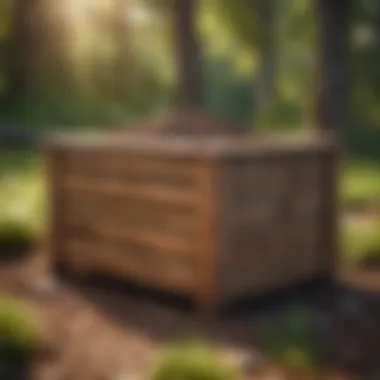
Building the frame can be as simple or complex as desired. A wooden structure, made from pallets or untreated lumber, is a beneficial option due to its durability and permeability for airflow. The frame should be surrounded by wire mesh to keep pests out while allowing airflow. This structure facilitates decomposition, as oxygen is essential for aerobic composting. It is also relatively easy to construct, making it an accessible choice for families.
Adding Layers of Waste
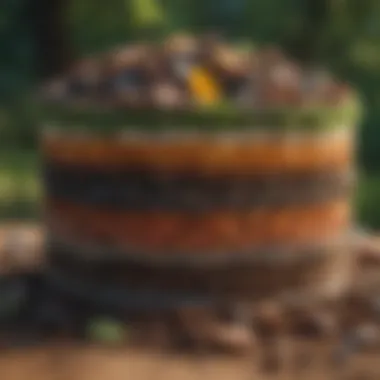
Layering waste materials is an important aspect of composting. Start by adding a layer of coarse materials like sticks or straw to promote airflow. Following this, alternate between green and brown materials to maintain a balanced carbon-to-nitrogen ratio. This method aids the decomposition process and prevents unpleasant odors. A careful feature of this technique is that it encourages microorganisms responsible for breaking down the waste, ultimately creating rich compost.
Covering the Composter
Covering the compost pile helps maintain moisture and temperature, which are crucial for effective composting. Use a tarp or a lid to cover the pile, as this reduces exposure to rain and extreme temperatures. It will also deter pests. However, ensure some airflow through gaps or holes. An appropriate cover is beneficial as it keeps the compost from becoming too wet or too dry, both of which can inhibit the decomposing process.
Maintaining Your Composter
Turning the Compost
Turning the compost is necessary to aerate the mixture, which helps speed up the decomposition process. Using a pitchfork, turn the pile every few weeks to introduce oxygen. This practice prevents foul smells and helps mix the materials, enhancing microbial activity. An advantage of regular turning is the increased efficiency in breaking down organic matter into rich compost, which is rewarding and educational for children.
Monitoring Moisture Levels
Keeping an eye on moisture is essential for successful composting. The compost should feel like a damp sponge. If it’s too dry, add some water or wet materials. Conversely, if it’s too wet, add brown materials to absorb excess moisture. This constant monitoring ensures ideal conditions for microbial activity. Kids can learn to check moisture with their hands, making it an engaging learning experience.
Identifying Problems
Recognizing problems early is crucial in composting. Issues such as unpleasant odors may indicate an excess of nitrogen-rich materials or lack of aeration. If pests appear, it might be necessary to revisit what is being added. Identifying these problems allows for prompt adjustments, teaching children problem-solving skills in real-life scenarios. Moreover, understanding these nuances adds depth to their learning about composting processes.
Using Your Finished Compost
Using your finished compost is the final step in the composting process. This section highlights its importance and practical applications, particularly for children and their caretakers. Many people may not realize that finished compost can significantly impact gardening and plant health while also offering environmental benefits. By understanding the best practices for using compost, children can take an active role in nurturing plants and contribute positively to their environment.
Benefits of Using Compost
Compost offers numerous advantages that everyone can appreciate, especially children. Here are some key benefits:
- Nutrient-Rich: Compost provides essential nutrients for plants. It contains nitrogen, phosphorus, and potassium, which are vital for plant health.
- Soil Structure Improvement: Adding compost enhances soil structure. It helps the soil retain moisture and air, creating a better environment for roots to grow.
- Reduced Chemical Fertilizers: By using compost, there is less need for chemical fertilizers. This is healthier for the plants and the surrounding ecosystem.
- Waste Reduction: Utilizing compost means using kitchen waste effectively, contributing to reduction in landfills.
- Environmental Impact: The use of compost contributes to sustainable practices. It improves biodiversity and promotes a healthier ecosystem.
Understanding these benefits can motivate children to engage eagerly in their composting projects. They see firsthand how their efforts contribute to a healthier environment and community.
How to Apply Compost
Applying compost correctly is crucial for maximizing its benefits. Here are steps and considerations for applying finished compost:
- Timing: The best time to apply compost is during the planting season, early spring or fall. This allows plants to utilize the nutrients as they grow.
- Application Methods:
- Amount: Use around one to two inches of compost for top dressing and about 25% compost volume in a soil mix for new beds.
- Considerations: Avoid using compost that is offensive in smell or appearance. Quality compost should have an earthy aroma and dark color.
- Top Dressing: Spread a layer of compost directly on top of the soil around plants. This provides immediate nutrients.
- Mixing Into Soil: For new garden beds, mix compost into the soil. This improves the overall quality and nutrient availability for plants.
- Compost Tea: Create a liquid nutrient solution by steeping compost in water. After a few days, strain the mixture and use it to water plants.
Applying finished compost can ignite excitement in children. Watching plants thrive from their contributions will enhance their appreciation for nature.
Using compost effectively not only enriches the plants but also fosters a sense of accomplishment among young composters. It ties together the entire composting experience, ensuring that children understand their role in environmental stewardship while cultivating their gardens.
Common Mistakes to Avoid
In the journey of creating a homemade composter, it's crucial to recognize and avoid common mistakes. Children can learn the practical side of composting, but understanding what not to do is equally important. By sidestepping these pitfalls, families ensure that their composting efforts yield positive results, enhancing the educational experience. Below are two frequent mistakes that can hinder the composting process and solutions to help kids learn effectively.
Overloading with Green Materials
One common mistake is the tendency to overload compost bins with too much green material, such as vegetable scraps and grass clippings. Green materials are high in nitrogen, which is necessary for composting. However, an excess can lead to problems. When there is too much nitrogen, the compost can become overly wet, smelly, and prone to pests.
To demonstrate proper practice, teach children the ratio of green to brown materials. The ideal balance is about one part green to three parts brown materials, such as dried leaves or cardboard. Encourage kids to observe how different materials break down over time and discuss what happens when the balance is not maintained.
Here are some tips for avoiding this mistake:
- Mix in brown materials regularly with green waste.
- Monitor moisture levels to prevent waterlogged compost.
- Observe any odors; a strong smell indicates too much green material and not enough browns.
Ignoring Compost Temperature
Another mistake is ignoring the compost temperature. Temperature is a key indicator of the composting process. If the compost is too cool, it may not break down properly. On the other hand, if it gets too hot, it may lose beneficial microorganisms essential to proper composting.
One way to engage children is to teach them how to measure compost temperature, using a simple compost thermometer. Share with them how the temperature can tell if the compost is decomposing correctly. Ideally, the compost should reach temperatures between 130°F and 160°F. By engaging children in this monitoring task, they can learn the scientific principles behind decomposition in a hands-on way.
To avoid ignoring temperature:
- Regularly check the compost temperature, especially after turning it.
- Discuss the optimal temperature range and why it matters.
- Use a thermometer as a fun learning tool during composting sessions.
By addressing these mistakes in a simple and educational manner, kids can grasp the complexities of composting while having fun. Understanding what to avoid is as crucial as knowing what to do. It not only enriches their learning experience but also instills better composting practices for the future.
Educational Activities for Kids
Engaging children through educational activities about composting is crucial. It opens their minds to the world of sustainability and environmental stewardship. Activities that focus on composting not only enhance their understanding of ecological balance but also encourage creative thinking. The benefits of these activities go beyond theoretical knowledge; they foster a sense of responsibility toward the environment. When children actively participate in composting, they develop a practical understanding of how organic materials transform into nutrient-rich compost.
Composting Observation Journal
A Composting Observation Journal is an excellent tool for young learners. It provides a structured way for children to document their experiences related to composting. They can write down what materials they are using, when they add them, and any observations about the activity itself.
Keeping a journal helps kids to make connections between the theory of composting and real-life scenarios. Here are some elements to include in the journal:
- Date of entry: Helps track the composting process over time.
- Materials added: Listing items like vegetable scraps, grass clippings, and leaves.
- Observations: Notes about changes in smell, color, and texture in the compost.
- Questions and thoughts: Space for curiosity-driven inquiries about the decomposition process.
This process teaches children to be observant and analytical. It can also spark interesting discussions among peers or family about sustainability.
Field Trips to Compost Sites
Field trips to local compost sites elevate the learning experience. Visiting an operational compost facility allows children to see the process in action. They can observe the machinery, the scale of operations, and how different materials are processed. This real-world exposure is invaluable.
Benefits of field trips include:
- Interactive learning: Children can ask questions directly to experts.
- Demonstrations: Visual representation of how compost is made enriches understanding.
- Inspiration: A firsthand experience can inspire kids to become advocates for composting in their communities.
Field trips not only educate but also create lasting memories and instill a sense of community involvement. It helps children appreciate the importance of proper waste management and environmental care.
Overall, blending practical activities and engaging learning experiences can cultivate an appreciation for composting among young minds. This approach not only teaches them about composting but also motivates them to take action in their own lives.
The End
Composting is more than just a process; it is a pathway towards sustainability. It teaches children value of reducing waste and nurturing the environment. Engaging in composting helps reshape how young minds view waste. They begin to recognize that not everything left behind is trash; much can be transformed into useful, nourishing soil. By building a composter, kids learn responsibility and the basics of ecology simultaneously.
Encouraging Sustainable Practices
It is important to instill sustainable practices in a child's life. Using the composter shows that small actions can contribute to a healthier planet. Kids understand the significance of recycling organic materials. When they actively participate, they feel a sense of ownership. This not only impacts their habits but can extend beyond the home, influencing family members and friends. For them, actions like saving kitchen scraps become second nature.
Make a list of what can and cannot be composted. Activities can be organized around these points to promote awareness.
- Compostable items: Fruits, vegetables, coffee grounds, eggshells.
- Items to avoid: Dairy products, meats, fat.
These activities can spark interest in environmental science and create lifelong advocates for the earth.
Future of Composting
The future of composting looks promising as awareness grows. Communities are starting to embrace composting both individually and collectively. Schools can implement programs to educate children on the importance of composting. As technology advances, systems become more efficient and easier to use. Apps and resources now help track compost progress and provide ideas for usage.
With increased support, we can expect composting to become a staple practice in households. This creates better soil, healthier plants, and cleaner environments. Each child equipped with knowledge becomes part of a larger change.
"The future is green energy, sustainability, renewable energy." - Bill McKibben