
Understanding the Life Cycle of Giraffes

Nature Topic Overview
Giraffes are truly one of the most recognizable animals on the African savanna. From their towering heights to their long, graceful necks, they fascinate both children and adults alike. But what many may not know is the journey these magnificent creatures embark upon from the moment they are born to when they reach maturity.
Understanding the life cycle of a giraffe involves more than just observing these gentle giants. It means delving into intricate processes like reproduction, gestation, and growth that define their existence. Each stage of their life brings its own sets of challenges and adaptations that contribute to their survival in wild habitats filled with both danger and beauty.
Whether it’s learning how a giraffe calf takes its first steps or how adults interact with their environment, this exploration aims to provide a clearer understanding of these animals’ roles in our ecosystem.
Fun Facts and Trivia
Did you know that giraffes have unique patterns on their bodies, much like human fingerprints? Each pattern is different and can serve as a way to identify individual giraffes. Here are some more interesting tidbits that can capture the imagination of young readers:
- Giraffes are the tallest land mammals, often reaching heights of up to 18 feet.
- A giraffe's tongue can be up to 20 inches long, perfect for reaching leaves high up in trees.
- Despite their height, giraffes can run as fast as 37 miles per hour!
To make learning more engaging, consider adding visuals like pictures of giraffes in their natural habitat or fun diagrams illustrating their anatomy. Interactive worksheets or quizzes can help test knowledge too.
Wildlife Explorations
While the common giraffe is a well-known species, there are others related to it that live across Africa. For instance, the Reticulated giraffe has a unique net-like pattern on its coat. Each species plays a role in its ecosystem, interacting with plants and other animals. Here’s how they vary:
- Masai Giraffe: Known for its irregular patches and is primarily found in southern Kenya and Tanzania.
- Northern Giraffe: Once widespread, now critically endangered with very few members left.
Including details about plants that giraffes feed on or other animals that share their habitat will provide even more context for learners.
Environmental Awareness
Giraffes play an essential role in their environment. By feeding on leaves high in trees, they help maintain the health of these plants, and their presence can indicate a healthy ecosystem. However, giraffes face threats from habitat loss, poaching, and climate change. Teaching children about these challenges fosters a sense of responsibility.
Tips for Helping Giraffes
- Learn about giraffe-friendly parks or sanctuaries and volunteer or visit.
- Share what you learn with others to raise awareness on giraffe conservation.
- Use less paper to save trees, which helps preserve giraffes’ natural habitat.
DIY Nature Activities
Encouraging kids to engage with nature can deepen their understanding and appreciation for wildlife like giraffes. Here are some fun, hands-on activities:
- Giraffe Crafts: Create giraffes using recycled materials like cardboard tubes and paper.
- Nature Walks: Have kids look for patterns in leaves and trees, comparing them to a giraffe’s coat.
- Drawing Challenge: Give kids a picture of a giraffe and ask them to create their version based on their imagination.
Each activity not only enhances learning but also provides a creative outlet that can lead to discussions about nature and conservation.
Intro to Giraffes
Giraffes, known for their towering height and elegant necks, are more than just tall creatures roaming the savannah. Understanding their life cycle is not just about their physical attributes but delves into their unique behaviors, habitats, and social structures. This article provides a detailed overview of the giraffe life cycle, focusing on several key elements, including reproduction, growth, and their ecological role.
The giraffe's life cycle stands as a testament to the remarkable adaptations and survival strategies these animals have developed over time. These gentle giants serve as essential players in their ecosystem, influencing vegetation growth and contributing to the biodiversity of their habitat. Since this article aims to foster awareness and appreciation of giraffes, it is crucial to grasp their characteristics and the environments they inhabit.
Physical Characteristics
Height and Weight
The height and weight of giraffes are significant aspects that contribute to their survival. Giraffes can reach heights of up to 18 feet, making them the tallest mammals on Earth. This towering stature allows them to access foliage high in trees, which is a core component of their diet. Heavyweight—males can weigh around 2,400 pounds—helps them maintain stability while feeding and navigating through their environment, although it can also pose challenges, like being more noticeable to predators.
An interesting fact is that giraffes do not need to drink water every day. They obtain much of their hydration from the leaves they consume, so their impressive height is less about finding water and more about foraging at higher levels.
Neck Structure
The neck structure of a giraffe is perhaps one of its most iconic attributes. While it may seem solely beneficial for reaching leaves, its length, often over six feet, also plays a role in mating rituals. Males often engage in a behavior known as "necking," where they swing their necks at each other to assert dominance, making their necks not only functional but also essential for social interactions.
Structurally, the neck consists of just seven elongated vertebrae, which is the same number as found in humans. This unique construction offers advantages in flexibility, yet the sheer mass and length require strong and well-adapted forelimbs to support their body effectively.
Color Patterns
The color patterns of giraffes not only serve aesthetic purposes; they help in camouflage against the backdrop of the African savannah. These patterns vary significantly among different giraffe populations, which can help biologists identify subspecies. Their unique spots disrupt the outline of their bodies, providing security from predators. Each giraffe has a distinct pattern, much like human fingerprints.
However, the uniqueness of their patterns means that if a giraffe suffers from a skin condition or injury, it can be hard for it to blend in, potentially leading to increased vulnerability. Thus, while color patterns play a crucial role in giraffe survival, they also have challenges associated with them.
Habitat and Distribution
Geographic Range
Giraffes once roamed across vast areas of Africa, but their geographic range has shrunk significantly due to habitat loss and poaching. They are primarily found in sub-Saharan Africa today. Understanding this range is vital not just for conservation efforts but also for grasping how giraffes interact with their ecosystems across different landscapes.
These gentle giants are adaptable but require access to open areas with sufficient trees for feeding. Different regions host various subspecies, each adapted to its specific environment, illustrating the giraffe's versatility.
Preferred Environments
Giraffes thrive in savannahs, grasslands, and open woodlands, where their long necks allow them to reach for acacia and other tree species. Their preference for these environments has ecological implications, especially as they participate in the seed dispersal process. Since they consume leaves and later expel seeds, they contribute to forest regeneration and plant diversity.
In urban areas, giraffes are often not seen because of habitat encroachment by human activities, making it crucial to conserve their natural environments to preserve their populations.
Social Structures in the Wild
Giraffes live in loose social structures, often referred to as "towers." These towers are fluid, with members interacting or separating based on various factors like age, sex, or feeding patterns. This dynamic behavior is crucial for their survival since the interplay among members helps protect against predators.
Interestingly, research shows that giraffes can recognize acquaintances and their communications are more complex than previously thought. Understanding these social structures enriches our knowledge about their survival strategies and community interactions.
Understanding the Reproductive Process
The reproductive process of giraffes holds vital importance, not just for the continuation of their species, but also for maintaining the balance in their ecological niche. Giraffes, being the tallest land animals, have a unique set of mating and gestational behaviors that are critical to understand. This section delves into the intricate world of giraffe reproduction, providing insights into mating rituals, gestation periods, and the factors that play a role during these significant life phases.
Mating Rituals
Mating rituals of giraffes are as fascinating as the creatures themselves. From courtship behaviors to territorial displays, these rituals serve as a prelude to reproduction. Giraffes are known for their gentle yet deliberate interactions that can be quite mesmerizing to observe.

Courtship Behaviors
Courtship behaviors in giraffes often include a series of playful gestures, such as necking, where males engage in a sort of duel by swinging their necks against each other. This display is more than just a show of strength; it signifies the fitness of a male and his readiness to mate.
The significance of courtship behaviors lies in their ability to establish dominance among males and attract females. Females tend to choose partners based on their physical vigor displayed during these encounters. As giraffes are social animals, these courtship displays also enhance their social bonds. Interestingly, this method of selection may favor genetically stronger offspring, which speaks to the evolutionary aspect of this behavior.
- Key Characteristic: The necking ritual reinforces male status within groups.
- Unique Feature: Playful competition serves both combat and courtship roles.
- Advantages: Helps secure the best mates while maintaining harmony in social settings.
Male Dominance Displays
When it comes to male dominance, giraffes have their own set of tactics that reflect their strength and stamina. Males often express their prowess through visual displays such as towering postures and vocalizations that carry across vast savannas. These displays are essential, as they establish territory and signal the availability of males to potential mates.
The importance of such displays cannot be overstated. They help in minimizing physical confrontations, as lower-ranking males often concede when faced with higher-status peers. This behavior conserves energy and reduces the risk of injury, which is pivotal given the lifestyle of wild giraffes.
- Key Characteristic: Display of physical strength is crucial for mate selection.
- Unique Feature: Vocalizations and body language communicate much in giraffe society.
- Disadvantages: Missed opportunities for lower-ranking males to mate can occur if displays overshadow their efforts.
Mating Seasons
Understanding the timing of mating seasons is key to comprehending giraffe reproduction. Giraffes do not have a synchronized mating season, allowing them to breed year-round. However, specific periods may see a rise in mating activity, influenced by environmental factors like food availability and weather conditions.
This flexibility aids giraffes in optimizing the likelihood of successful breeding. Additionally, it allows them to time the birth of calves with favorable seasons, thus enhancing calf survival rates.
- Key Characteristic: Continuous breeding availability increases genetic diversity.
- Unique Feature: Allows response to environmental changes, aiding survival.
- Advantages: Offspring can be born during safer periods, improving their chances of maturity.
Gestation Period
The gestation period for giraffes is quite remarkable. Lasting around 15 months, it showcases nature’s intricate planning. This lengthy duration ensures that calves are born at a stage where they can begin to thrive in a challenging environment.
Duration of Gestation
The lengthy gestation period serves several important purposes. It allows for the full development of the calf's body and vital organs, preparing it for survival in the wild. When a calf finally arrives, it is relatively large and much more capable of standing and walking soon after birth — a critical factor in a world filled with predators.
- Key Characteristic: 15 months is a significant investment in calf development.
- Unique Feature: Ensures calves are more matured upon birth.
- Advantages: Increased odds of survival due to readiness for immediate mobility.
Nutritional Needs of the Mother
During gestation, the nutritional needs of the mother giraffe significantly increase. To support both herself and the developing calf, she requires a nutrient-rich diet. Grazing on high-leaf trees and consuming various other plant parts are essential to meet these needs.
The mother must be vigilant about her surroundings during this time too. A mother’s health directly impacts the wellness of her calf, making proper nutrition paramount. A well-nourished mother is more likely to give birth to a healthy calf that can flourish in the wild.
- Key Characteristic: High nutritional demands during gestation.
- Unique Feature: Grazing patterns shift to meet dietary needs.
- Advantages: Healthy mothers often lead to healthier offspring, which is vital for species survival.
Environmental Factors Influencing Gestation
Environmental factors can also play a vital role in a giraffe’s gestation process. Factors such as climate, food availability, and the presence of predators can all influence the timing and success of birthing. For example, if resources are scarce or threats are present, a mother may delay her birthing process in response.
This adaptability demonstrates the connection between an animal and its environment, emphasizing the balance that exists in nature.
- Key Characteristic: Environmental influences can alter reproduction outcomes.
- Unique Feature: Ability to delay birthing for better survival conditions.
- Advantages: Ensures calf has the best chance to survive in a dynamic natural world.
Understanding these elements of the reproductive process helps paint a fuller picture of giraffe life cycles, allowing us to appreciate their role in the ecosystem and recognize the need for their conservation.
The Birth of a Calf
Understanding the birth of a calf is crucial as it marks the beginning of a giraffe's life journey, rich with potential and challenges. This section delves into the different aspects of the birthing process, highlighting not just the mechanics of labor but the emotional and social facets that are essential for the well-being of the newborn and its mother. By studying this phase, readers can appreciate the delicate balance of nature's design, the vulnerabilities faced at the onset of life, and the robust relationships that emerge even during these formative moments.
Labor and Delivery
Signs of Labor
In giraffes, the signs of labor can be subtle yet significant. As the due date approaches, the mother becomes restless, often shifting positions frequently. A notable aspect is the way the mother isolates herself from the herd, seeking a quieter space, which underscores her instinct to protect her newborn from potential threats. This isolation is a critical characteristic to highlight, as it prepares her for the intense moment of delivery by minimizing distractions. The labor signs also include specific physical changes, such as a drop in the abdomen, which indicates that the calf is moving into position for birthing.
Through this observation, we can learn about the instinctual adaptations giraffes have developed over time. Being aware of these cues is essential in understanding their reproductive strategies, emphasizing the interconnectedness of their behavior to their survival.The signs of labor exemplify the profound nature of biological rhythms in the animal kingdom.
Assistance from Other Giraffes
Interestingly, giraffes aren't lone wolves, even in labor. They can receive assistance from other females in the herd. This cooperative behavior can be fascinating, as it showcases the social bonds within giraffe communities. Close companions may stand nearby to provide protection and reassurance during this vulnerable time. This characteristic is beneficial not just for the mother but also sets a precedent for the calf’s future social interactions. Furthermore, involvement from others can alleviate stress for the mother, making the delivery process a bit smoother.
The unique feature here is that this collaboration may not always mean physical assistance but can also provide emotional support. This element can encourage a sense of safety within the herd, which is vital for a successful outcome, reflecting how interdependence forms a foundational aspect of their social structure.
Calf Characteristics at Birth
The moment a calf is born is nothing short of miraculous. A typical calf weighs around 100 to 150 pounds and stands approximately six feet tall. Such physical characteristics are critical for its immediate survival as a prey animal in the wild. Notably, the calf is precocial, meaning it's relatively mature and capable of standing and walking within hours after birth. This ability serves as a significant advantage, allowing it to escape potential predators quickly.
However, being large at birth comes with its own complexities. The sheer size can be overwhelming for the mother as she navigates the early interactions. This unique feature emphasizes both the strengths that giraffe calves have in terms of survival and the pressures placed on the mother. The dynamics of their initial relationship set the tone for future interactions, reinforcing the importance of this stage.
First Moments
Initial Standing and Walking
The initial standing and walking capabilities of a calf right after birth serve as a stark example of nature’s marvel. Within mere hours, a newborn giraffe is expected to stand tall and even take its first wobbly steps. This is not merely a curious fact; it emphasizes the instinctive drive for survival that defines a giraffe’s early days. This developmental stage is monumental, as it signifies the calf’s readiness to join the herd, thus minimizing exposure to predators.
Highlighting this moment illustrates a vital benefit of being a precocial species. However, these first steps also represent a plausible risk, as the calf can be unsteady and might fall. The intricate balance between vulnerability and adaptation here offers an insightful outlook on the giraffe life cycle.
Bonding with the Mother
Once the calf stands, the bonding with its mother becomes paramount. The first hours are filled with gentle nudges and soft vocalizations that help establish a secure connection. This bonding process is essential, as it reinforces the calf's sense of safety and security. The calf learns from its mother, not just for feeding but also for social cues that will guide its development in future interactions.
This relationship lays the groundwork for protective behaviors and feeding relationships. While the mother instinctively knows how to nurture her offspring, each bond can develop uniquely based on their personalities and social dynamics within the herd. The emotional aspect of this connection enhances the understanding of their social structure.
Vulnerability in Early Life
With all the marvels of birth and bonding come unique challenges. Vulnerability in early life is a significant aspect to explore. Despite their impressive size, newborn giraffes are still at risk from predators like lions and hyenas. This unexpected reality underscores why maternal protection is so critical.
The calf’s initial vulnerability may seem like a disadvantage, but it serves a purpose in the natural world. The mother’s instinct to protect and guide the calf teaches it survival skills that are crucial in its formative years. This duality of beauty and danger highlights the precarious nature of existence for young giraffes, blending life lessons with the raw realities of survival in the wild.

Understanding the delicate balance of vulnerability and resilience in the giraffe life cycle opens up a world of appreciation for their strength in the wild and the nurturing relationships that support their young.
Early Development Stages
Giraffes’ early phases of growth are a crucial period in their life cycle. During these stages, calves undergo significant transitions that shape their future in the wild. Understanding this topic is vital, as it highlights how essential these early experiences are for their development and survival.
Growth Milestones
First Few Weeks
In the first few weeks of a giraffe calf's life, many remarkable changes take place. Right after birth, these young ones tend to stand up and walk within a few hours. This quick transition is essential for their survival, as mobility helps them escape predators. Calves generally grow rapidly, gaining weight at a steady pace. They often stand anywhere between six to eight feet tall only days after birth, making them visibly impressive.
An important aspect of the first few weeks is the strong bond formed between the calf and the mother. This close relationship provides a sense of security to the young giraffe as it learns to navigate its surroundings. While they tend to be a bit wobbly on their long legs, this period lays the foundation for their future growth and health. The unique feature of this early growth period is that it sets the stage for their socialization and physical skills in the years to come. This rush of growth can be beneficial, as it equips the calf to face the challenges of their environment.
Social Interactions with Peers
Social interactions among young giraffes begin quite early. As they venture into their surroundings, calves engage with other young giraffes, creating bonds that influence their future social behavior. These early friendships shape how they interact with their peers later in life. Being part of a small group allows them to learn through play and observation, which helps them understand their hierarchical position as they grow older.
One key characteristic of these interactions is how they develop communication skills. Calves may engage in nudging, necking, or vocalizations, which helps build their social network. This aspect is beneficial as it allows them to learn signals and cues essential for their survival. However, not every interaction will be smooth sailing, as some tussles or disagreements may arise. These moments also help them learn conflict resolution and social etiquette in the long run.
Physical Changes
As giraffe calves grow, a series of notable physical changes occur. During this time, they experience significant growth spurts, gaining height and weight rapidly. The development of their distinctive spot patterns also becomes more pronounced, which plays a role in camouflage against predators. These patterns are more than just beautiful; they help define each giraffe’s identity.
A major benefit of these physical changes is that they enhance their ability to survive in their environment. Taller calves can reach food sources that others may not. Interestingly, the flexing and stretching of their necks begins early on, setting the stage for the impressive neck lengths observed in adulthood. However, this growth can bring challenges as they need adequate nutrition to support their rapid physical development.
Mother-Offspring Relationship
The relationship between a mother giraffe and her calf is central to the calf's early life. This bond nurtures their growth and development in numerous ways, ensuring the calf learns essential life skills.
Feeding Behavior
Feeding behavior is a fundamental aspect of this relationship. Young giraffes primarily consume their mother’s milk during the early weeks of life. This nutrient-rich milk is vital for their growth and helps them build a strong immune system. As the calf grows, it gradually starts nibbling on vegetation, learning what types of leaves are safe to eat. This natural transition from milk to foliage is essential for their development and contributes to forming their future eating habits.
Additionally, the mother typically chooses feeding spots that are safe from predators, instinctively guiding her calf toward safer areas. By doing so, she nurtures not just physical growth but also teaches her young one critical survival instincts.
Protection from Predators
Protection from predators remains a priority for mother giraffes. Early in life, calves are particularly vulnerable to threats like lions and hyenas. Mothers tend to be highly vigilant, positioning themselves between their young and potential danger. They also employ a unique strategy where the calf is kept close by during grazing, ensuring that it is never too far from the safe reach of its mother.
This protective instinct not only keeps the calf safe but strengthens their bond. Calves also learn to observe and mimic their mothers' alert behaviors, preparing them mentally for future dangers. However, babies are still at risk, primarily because they lack the muscular coordination of adult giraffes.
Teaching Survival Skills
The teaching of survival skills is another critical component of the mother-offspring relationship. Along with nutritional and safety lessons, mothers play a role in instilling essential skills that help their young thrive. This may include how to find food, the best alterative routes during migration, and recognizing different threats in the wild.
This unique feature allows calves to not merely survive but adapt better to their environment as they mature. Such guidance is beneficial as it shapes their behaviors and strategies, which will serve them well later in life. The mother’s role is thus pivotal, acting as both a provider and mentor, nurturing the calf's development in these formative years.
Adolescence and Transition to Adulthood
Adolescence is a pivotal phase in the life of a giraffe. During this time, youthful giraffes undergo significant changes, not only physically but also socially. This period sets the stage for their future behaviors and roles within their groups. Understanding these dynamics helps us appreciate the complexities of giraffe life, especially their relationships and strategies for survival in the wild.
Social Dynamics
Hierarchical Structures
The social structure of giraffes is quite fascinating. Young giraffes must learn to navigate a hierarchical system, where older, more dominant individuals hold higher ranks. This hierarchy is crucial for resource allocation, mating rights, and overall social order within a herd. One of the key characteristics of these hierarchical structures is that they allow for the establishment of clear roles and responsibilities, which helps in reducing conflicts during feeding or mating. It also grants younger giraffes a chance to observe and learn from their elders.
A unique feature of this hierarchy is that it is not static; it may shift depending on several factors such as age, size, and behavior patterns. Advantages of this social order include collective movement of the herd and increased protection against predators, but it can also pose challenges for younger individuals trying to assert their place.
Group Migrations
Group migrations are a hallmark of giraffe life during adolescence. As they transition to adulthood, giraffes often partake in migration alongside their herd. This behavior is essential for survival, allowing them to find new feeding areas as resources in preferred spots diminish. The strength of group migrations lies in their ability to support safety in numbers; staying close to the herd minimizes the risk from predators.
A distinctive feature of these migrations is their seasonal nature, leading to varied grazing experiences and opportunities to explore different habitats. However, the disadvantage can arise when young giraffes struggle to keep pace with the older ones, making them more prone to isolation and threats.
Interactions with Other Species
Interactions between giraffes and other species play a significant role during this transition phase. Giraffes share their habitat with a variety of animals, some of which can become integral to their social learning. For instance, young giraffes often watch and mimic the behavior of zebras or antelope to gauge the presence of predators. This behavior highlights the giraffe's capacity to learn from their environment and adapt strategies accordingly.
A defining characteristic of these interactions is the mutual benefit they offer; giraffes can glean valuable survival lessons while providing certain species with the advantage of their height to spot danger. However, one must note the risk involved, as interactions can sometimes lead to conflicts over resources or direct competition.
Physical Changes
Growth Spurts
During adolescence, giraffes experience notable growth spurts. This phase can vary individually, but it typically involves rapid increases in height and weight. An essential aspect of these growth spurts is that they prepare young giraffes for their future roles, especially for males who will compete for mates.
The growth spurts of giraffes are characterized by extending limb length more than body width initially. This physical trait is beneficial as it allows for greater locomotion speed and agility to escape predators. Nevertheless, an initial disadvantage may arise from their awkwardness post-growth, making them momentarily vulnerable.
Development of Mating Traits
As giraffes move into their late adolescence, the development of mating traits becomes increasingly pronounced. Males begin to develop larger ossicones and a more robust neck, which are essential for competitive behavior during mating rituals. This critical aspect prepares them for the challenges of adult life, where they will need to compete with peers for the attention of females.
The unique feature of this trait development is that it highlights the importance of physical prowess in reproductive success. While advantageous in attracting females, this can also heighten competition with other males, leading to increased aggressive encounters.
Changes in Feeding Habits
With growth comes changes in dietary needs. Adolescents require more food to support their increasing size and metabolic demands. Younger giraffes begin to explore various vegetation types, transitioning from a solely milk-based diet to consuming leaves, fruits, and more fibrous plants.
The primary characteristic of these changes in feeding habits is flexibility; young giraffes learn to adapt their diets based on seasonal availability. This aspect is beneficial, as it prepares them for adult life where specialized feeding techniques can enhance survival in the wild. However, the disadvantage may appear in the form of competition with other herbivores for food resources, especially in areas of overlapping habitats.
Adulthood and Reproductive Role
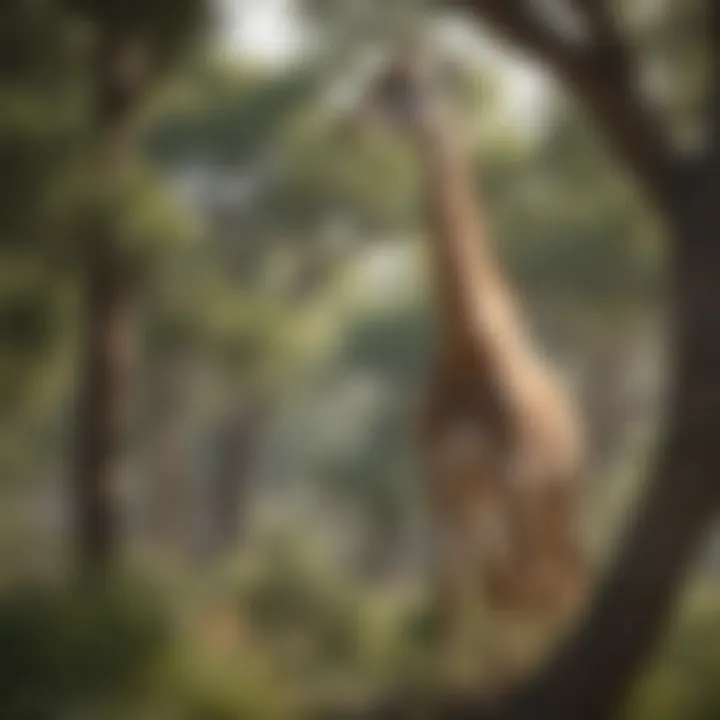
Adulthood is a significant phase in the life cycle of giraffes, as it not only marks the arrival of maturity but also defines their roles in reproduction and social dynamics. This stage encapsulates the giraffe's prime years, where they contribute to the gene pool and perpetuate their lineage. Additionally, understanding this phase can shed light on how giraffes interact within their environment, which is crucial for their survival and the health of their ecosystems.
Mating Patterns
Mating among giraffes is a curious dance that entails various behaviors and characteristics. The reproductive cycle of giraffes is primarily influenced by environmental factors as well as social structures.
Reproductive Cycles
The reproductive cycle in giraffes typically lasts about 15 months. Female giraffes, known as cows, exhibit estrus periods where they become receptive to mating around every 15 days. This interval allows males to engage in courtship behaviors that can include necking, a unique battle where males spar for dominance and breeding rights. This cycle is a beneficial aspect for the species as it promotes genetic diversity. With cows having several estrus cycles, this increases the chances of mating with the strongest and most suitable partners.
The unique feature of these reproductive cycles is the ability of females to control when to mate, leading to healthier young that are born when resources are plentiful. However, this also means that during periods without adequate nutrition, the likelihood of successful reproduction decreases.
Territoriality Among Males
Territoriality is an inherent trait among male giraffes, particularly during mating season. Males establish territories to attract females and fend off competitors. This territorial behavior is not just about space; it involves displays of strength and agility rooted in their necking battles.
Such behavior emphasizes their fitness for breeding, further enhancing the reproductive cycle's effectiveness. A beneficial aspect of this territoriality is it ensures that only the strongest males mate, thereby passing on desirable traits to the next generation. However, it can also lead to injuries, reducing the overall population in certain cases.
Group Breeding Strategies
Giraffes aren’t known to be solitary breeders; rather, they exhibit group breeding strategies which increase genetic diversity within herds. In some regions, males will form temporary bachelor groups, allowing them to compete and learn from one another before they challenge and mate with females. This social dynamic plays an essential role in the mating patterns among giraffes.
A distinct feature here is that during these bachelor groupings, males not only compete for mating opportunities but also build alliances which can have significant benefits, such as reducing injury rates when sparring for dominance. Nonetheless, these strategies can get complicated, as competition might lead to aggressive behaviors, possibly detracting from herd cohesion.
Lifespan and Mortality
Understanding the lifespan of giraffes is crucial as it offers insights into their health, reproductive success, and overall stability in the wild. Giraffes generally live around 20 to 25 years in the wild. Many factors affect their longevity, laying the groundwork for studying their mortality rates.
Natural Lifespan Expectations
Natural lifespan expectations can vary based on environmental conditions and predation pressure. In the absence of significant threats, adult giraffes can thrive, reaching their full size and potential. Their height alone often acts as a deterrent to many predators.
However, with an average lifespan of 15 to 20 years in the wild, as with many species, there is variability. The longer they live, the more wisdom and survival skills they can pass on to younger generations, making understanding this lifespan pivotal for conservationists.
Predators and Threats
Even the tallest land mammals are not immune to predators. Common threats include lions, hyenas, and crocodiles that can pose risks to young calves and even adults, especially when they are injured or sick. This interaction with predators is an important factor in their mortality rate and subsequent population dynamics.
The key characteristic is that giraffes tend to stay in groups, which provides protection against predators. However, in instances where resources are scarce, giraffes are forced to wander alone, increasing their chances of predation.
Human Impact on Mortality
Humans pose a growing challenge to the survival of giraffes, impacting their mortality rates significantly. Habitat loss due to urban development, agriculture, and poaching are major concerns. The shift in land use can lead to fragmentation, making it difficult for giraffes to find food and mingle with other herds.
One notable feature of this impact is the declining population of certain sub-species of giraffes. There’s a pressing need to understand how human activities intersect with natural giraffe behavior and ecology to develop better conservation strategies. Overall, recognizing the breadth of human impact is crucial for implementing effective measures to safeguard giraffe populations in the future.
Ending and Conservation Efforts
Understanding the life cycle of giraffes is crucial not just for those who study these majestic animals, but also for everyone who values the natural world. Giraffes, with their unique biological and social structures, play a vital role in their ecosystems. By grasping how giraffes develop, reproduce, and interact with their environment, we can better appreciate their place in the wild and what we stand to lose if they disappear.
Importance of Understanding Giraffe Life Cycle
Ecological Significance
The ecological significance of giraffes extends far beyond their striking appearance. As browsers, they help manage vegetation in the African savannas by feeding on leaf high up in trees. This feeding pattern encourages new growth and maintains the health of the ecosystem. Giraffes also serve as prey for several predators, contributing to the food chain balance.
A key characteristic of this significance is their role in seed dispersal. As giraffes roam vast distances, they spread the seeds of the plants they consume, ensuring biodiversity in their habitats. With their long necks and unique foraging strategies, they target foliage that many other herbivores cannot reach. This method of foraging supports both their health and the health of the ecosystem.
However, the distinct ecological role of giraffes is often underestimated, leading to challenges in conservation efforts. Recognizing how their behaviors impact their surroundings is essential for advocating for their protection.
Species Preservation
The need for species preservation has never been more pressing. The numbers of giraffes in the wild have been declining due to habitat loss, poaching, and human encroachment. These animals collectively refer to as giraffes are facing extinction in certain regions. By focusing on species preservation, we can contribute to maintaining healthy populations in the wild.
A key characteristic is the genetic diversity among different giraffe populations. Each subspecies has adapted to specific environments, meaning the loss of one can weaken the overall resilience of the species. Conservation efforts aimed at preserving these genetic variations are vital.
Furthermore, unique characteristics of species preservation initiatives can lead to better funding and resources allocated for habitats that support giraffes. Protecting these animals inevitably leads to protecting the complex ecosystems they inhabit.
Educational Value for Young Learners
Education about the giraffe life cycle offers incredible value, especially for young learners. By teaching children about these magnificent creatures, we help foster a sense of wonder and responsibility towards the natural world. This knowledge lays the groundwork for future generations to participate in conservation efforts.
A key element of this educational impact is storytelling. Kids learn best through engaging narratives that illustrate the giraffe's role in the ecosystem, their unique behaviors, and the challenges they face. This provides a beneficial mix of fun and learning, making it easier for students to digest complex ecological concepts.
Moreover, the educational programs that focus on giraffes can also spark interest in wildlife biology and environmental science among children, potentially guiding them toward careers committed to conservation.
Current Conservation Initiatives
Efforts to Protect Habitats
Efforts to protect the habitats of giraffes are critical to their survival. Conservationists are actively working to secure national parks and wildlife reserves in Africa. These areas not only provide safe spaces for giraffes but also ecosystems that support countless other species.
A key characteristic of these efforts includes collaborations with local communities. By involving residents in conservation strategies, these initiatives ensure that the needs of both people and wildlife are met.
A unique feature of habitat protection programs is their focus on sustainable tourism. Well-managed tourism can provide income for local communities, further incentivising them to protect natural spaces that giraffes, and other wildlife, call home.
Community Involvement in Conservation
Community involvement is a game-changer in conservation efforts. Engaging local populations ensures that they remain invested in preserving their surroundings. Many conservation groups are now prioritizing education and workshops to inform and empower communities regarding the importance of giraffe conservation.
A key highlight of community involvement is the creation of local stewardship programs, where residents take charge of monitoring and protecting wildlife in their areas. This approach encourages a sense of ownership and responsibility that can lead to effective long-term results.
Moreover, unique features of community-based initiatives also tend to have social benefits, creating jobs and enhancing local economies. This blend of cultural and ecological awareness proves powerful in fostering enduring support for conservation.
Role of Education in Conservation Awareness
Education, particularly in areas where giraffes roam, is pivotal in promoting conservation awareness. Local schools and educational programs can introduce giraffe biology, behaviors, and conservation challenges into their curriculums, paving the way for informed future citizens.
A prime characteristic of educational efforts is the incorporation of hands-on environmental activities, like field trips to protected areas or zoos. Children returning from such experiences invested in conservation issues return home with stories that inspire family and friends.
A unique feature of these educational initiatives is their ability to reach wider audiences through online platforms. Social media campaigns highlighting giraffe conservation efforts can draw attention to their plight, generating support from around the globe.




Unveiling the Enigmatic Traits of Sharks: Evolution, Predatory Behavior, and Ecological Significance